Kisetsu | Seasons
Explore the rhythmic cycle of the year with our 'Seasons' Collection, a tribute to the enduring dance of time and nature's perpetual transformation. Inspired by the rich legacy of Japonisme and the elegant symmetry of Art Deco, this collection blends the delicate intricacies of Eastern art with the bold lines of Western design. Each piece captures the essence of the seasons—Spring's renewal, Summer's vibrancy, Autumn's transition, and Winter's introspection—through a palette of carefully selected colors, textures, and forms. This series not only honors the beauty of the natural world but also reflects on the passage of time, inviting you to celebrate each moment and season of life with art that resonates deeply with our shared human experience.
Work stages


As we explore the four seasons of the year, the "Seasons" collection presents us with elements that capture the essence of each one. Spring, summer, autumn, and winter are represented in the colors, textures, and shapes chosen for each piece. Nature's constant transformation is celebrated and uniquely expressed.
Just as the climatic seasons follow an infinite cycle, the seasons of life also proceed. This collection invites us to reflect on the passage of time and the different phases of existence. Each piece represents a special and valuable moment in our personal journey.

This collection, inspired by Japonism, is a unique fusion between the delicate oriental and the glamour of Art Deco. Allow me to present you this journey of beauty and harmony.
Japonism, an artistic movement from the 19th century, captivated the Western world with its unique aesthetic. Based on simplicity, subtlety, and respect for nature, Japonism won over artists and designers, and its influence endures to this day.
The two aesthetics share commonalities such as the appreciation of symmetry, geometry, and precision. Moreover, both express a deep appreciation for nature in their creations.
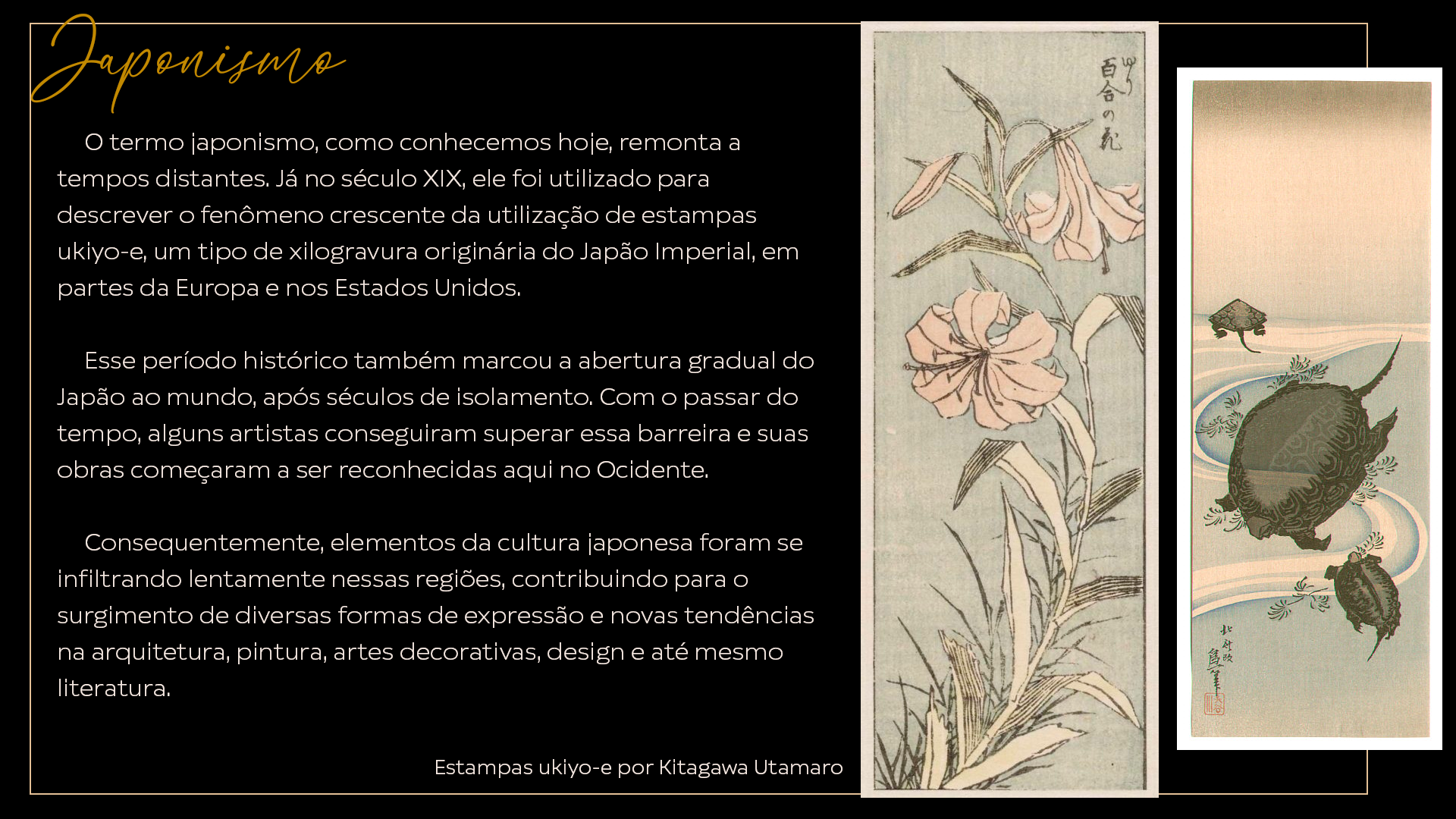
The term Japonism, as we know it today, dates back to distant times. Already in the 19th century, it was used to describe the growing phenomenon of the use of prints known as ukiyo-e, a type of woodblock print originating from Imperial Japan, across parts of Europe and the United States.
This historical period also marked the gradual opening of Japan to the world after centuries of isolation. As time passed, some artists managed to overcome this barrier and their works began to be recognized here in the West.
Consequently, elements of Japanese culture slowly infiltrated these regions, contributing to the emergence of various forms of expression and new trends in architecture, painting, decorative arts, design, and even literature. Ukiyo-e prints by Kitagawa Utamaro are notable examples.

It is important to note that Japonism should not be seen merely as a displaced imitation of what was done in Japan centuries ago. As Western countries absorbed these influences, a cultural feedback also occurred. This led even the great masters of painting to adopt elements of Japonism in their works. A notable example is Vincent van Gogh, the renowned Dutch painter, who had a passion for the style of Japanese prints.
In this context, Japonism represents not just a one-way movement but a dialogue between cultures, enabling an exchange of artistic concepts and techniques. This interaction stimulated creativity and influenced the way art and design were conceived and appreciated. Ukiyo-e prints by Kitagawa Utamaro exemplify this.
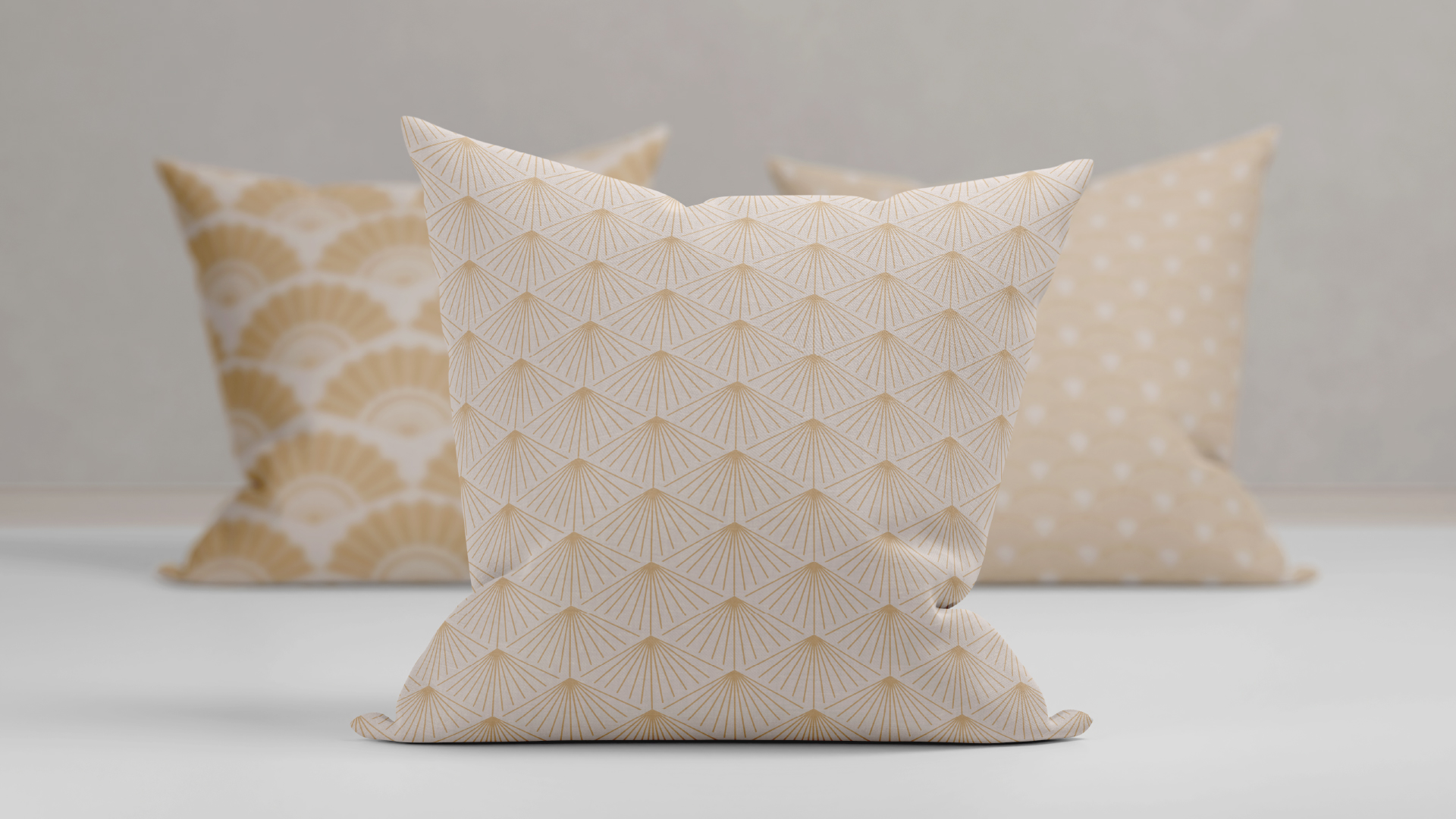
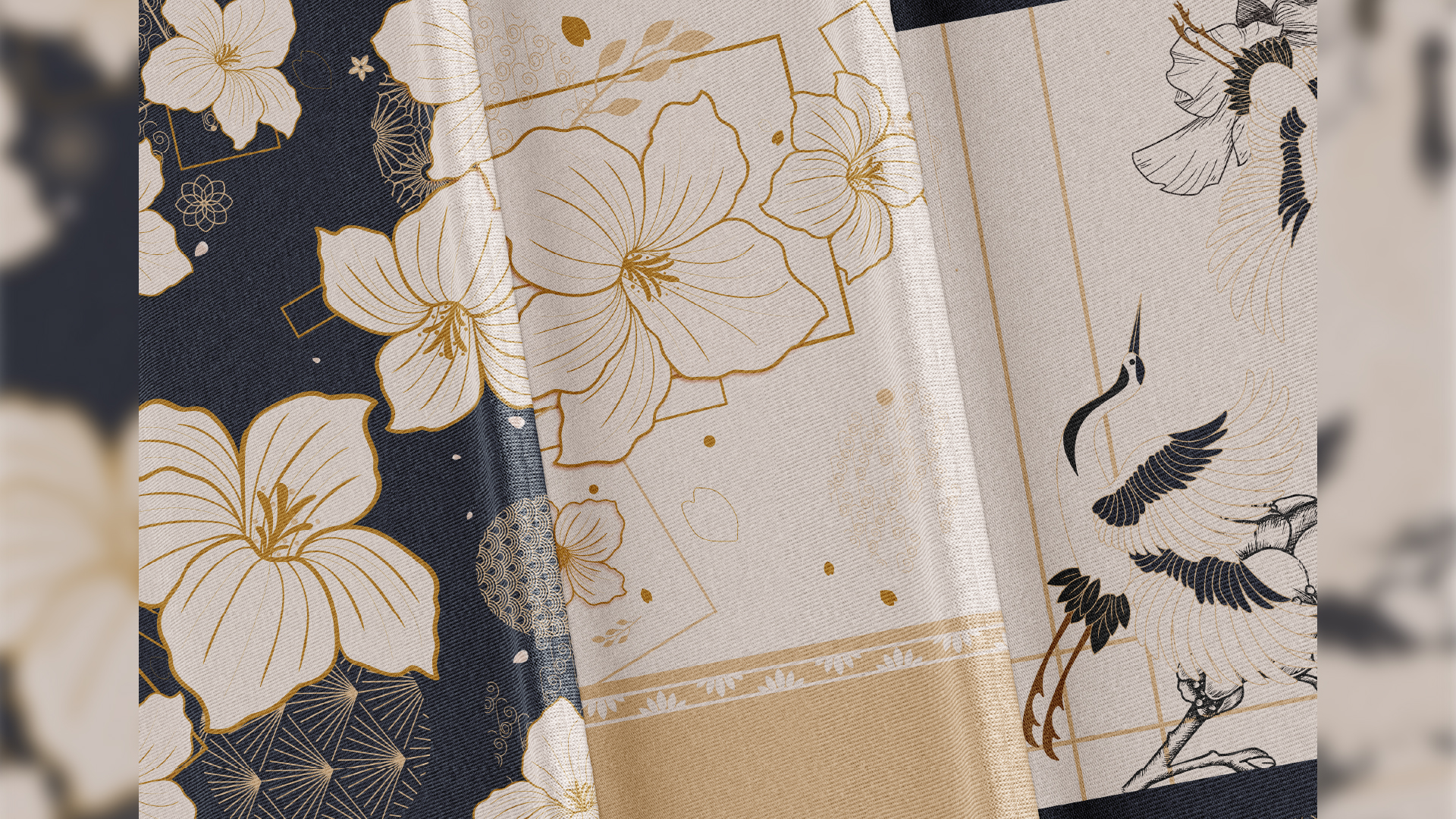
In this phase, explore the elements crafted and utilized throughout the project, each meticulously designed to enrich the collection's narrative and aesthetic cohesion.
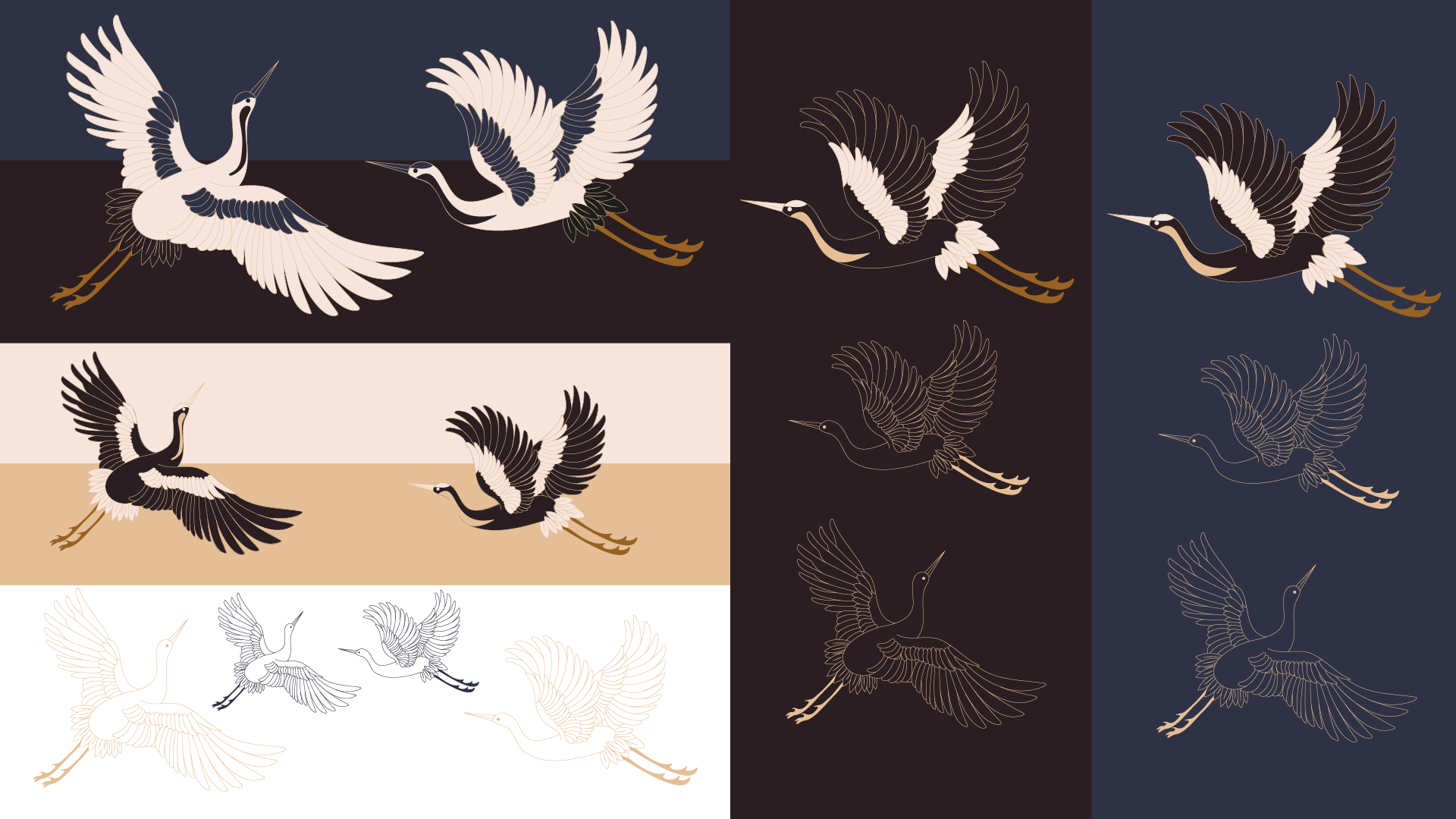
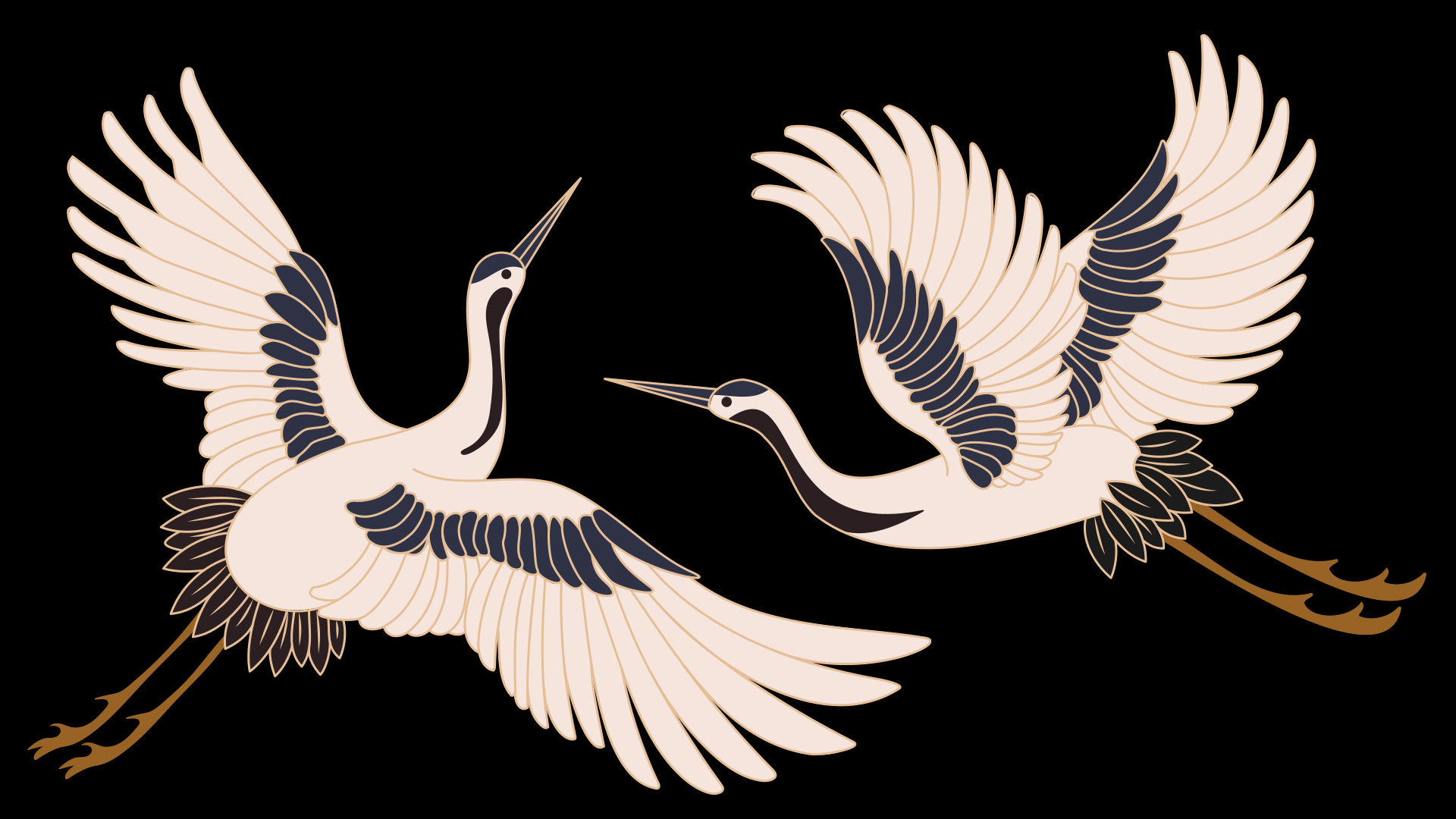


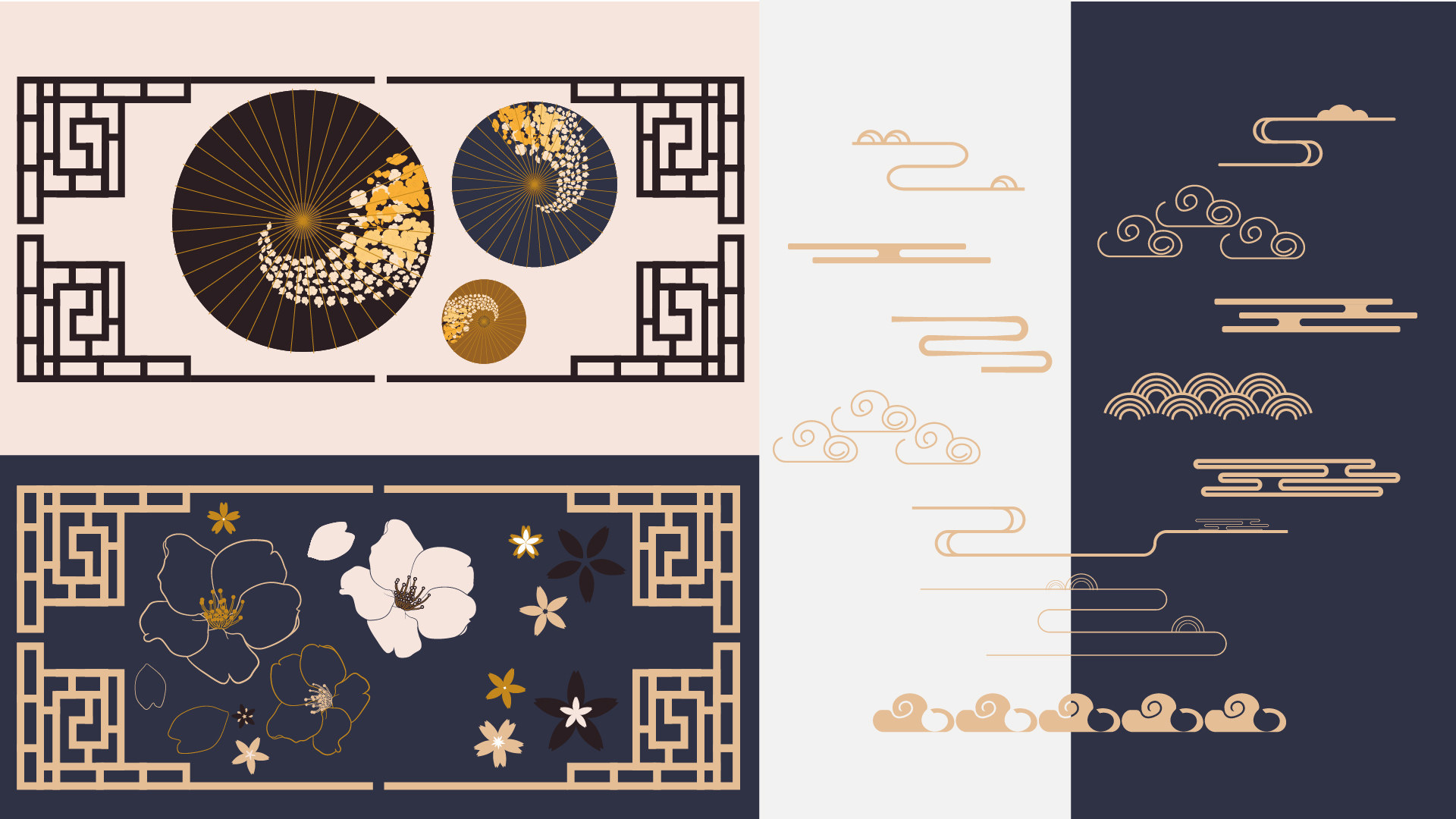

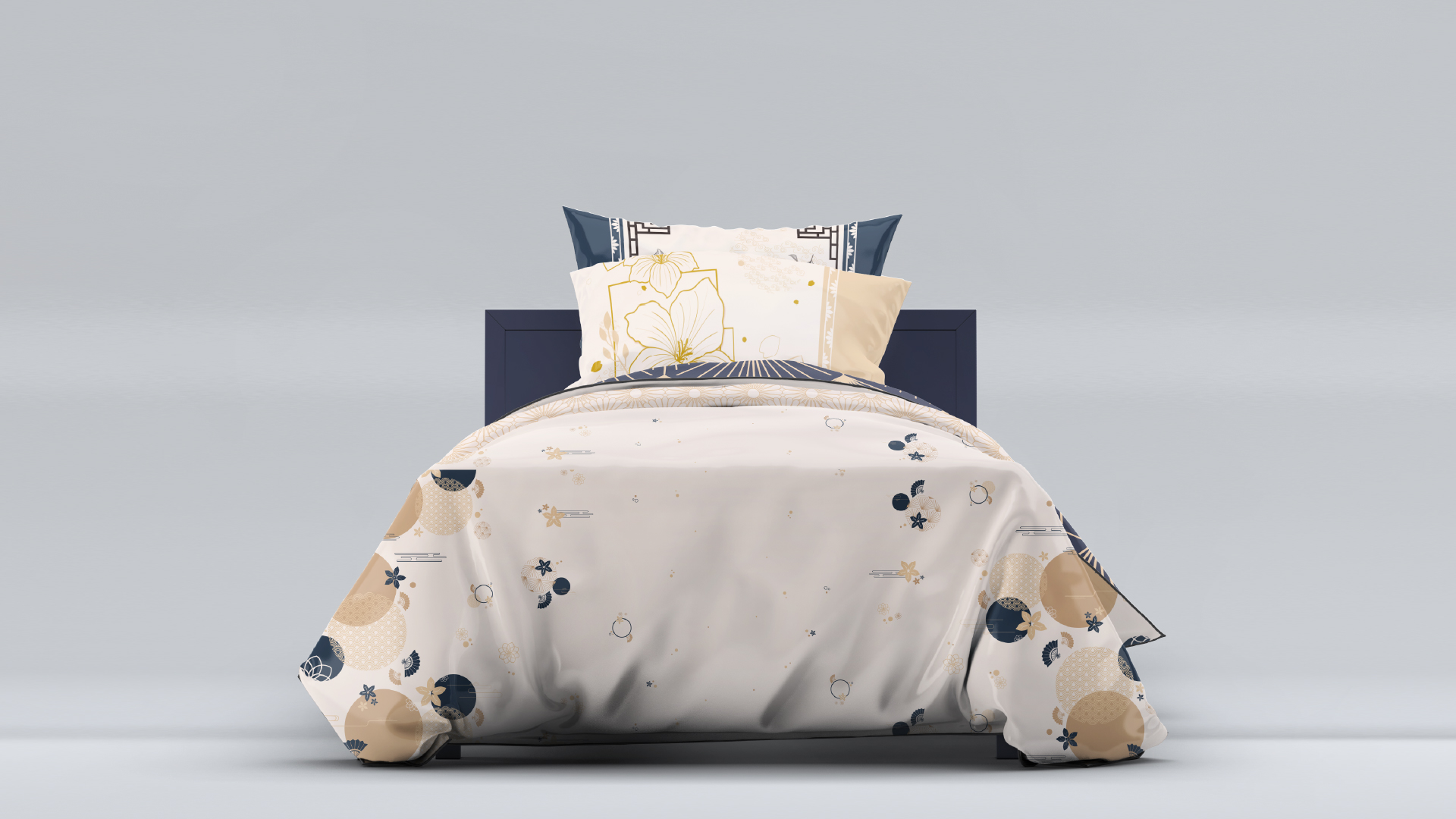
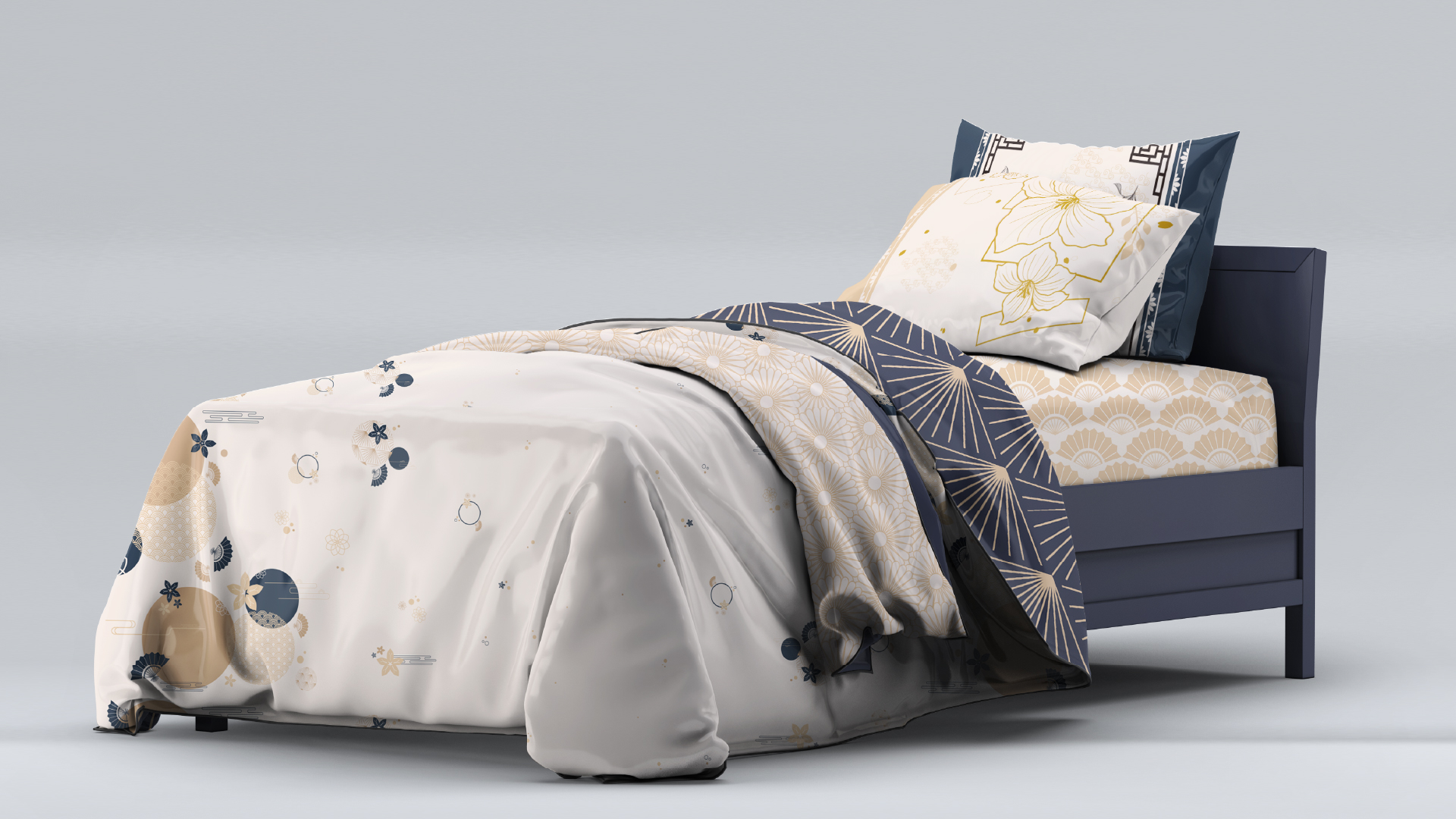
This stage marks the creation of the bedding line, meticulously detailed with production spec sheets that contain all the specific information needed for manufacturing. Each piece is designed to blend comfort with style, ensuring every detail contributes to the overall elegance of the collection.

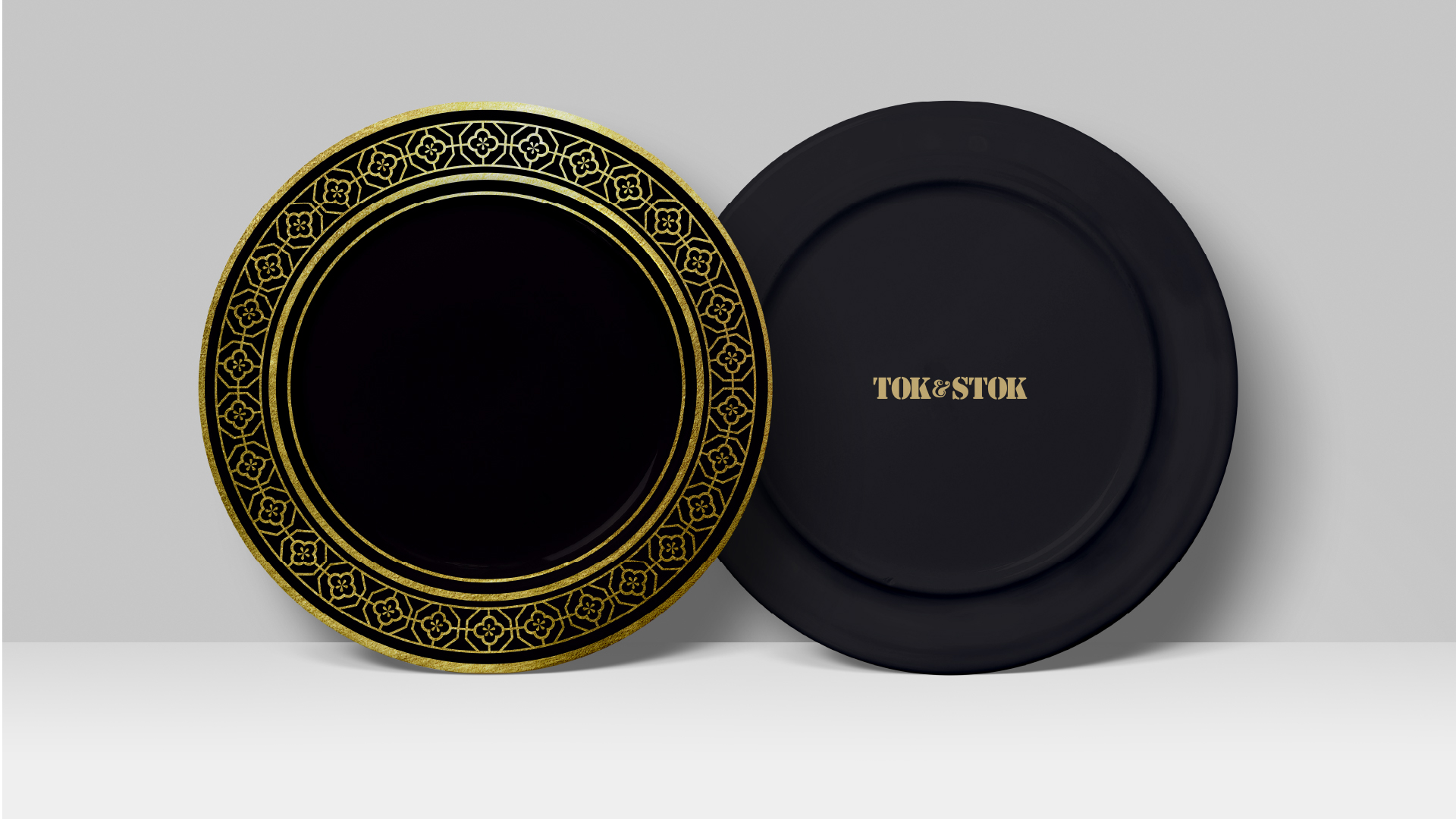
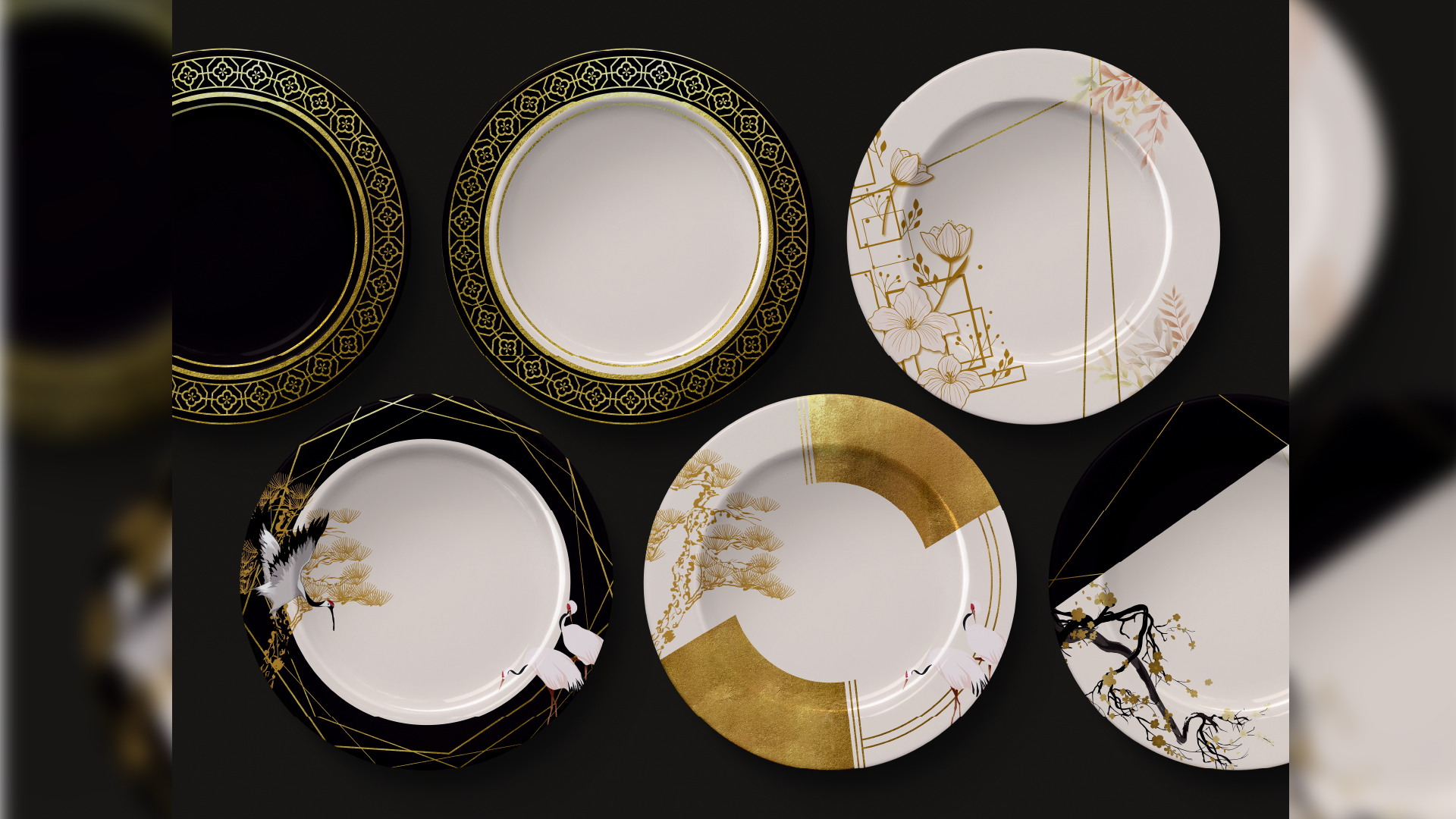
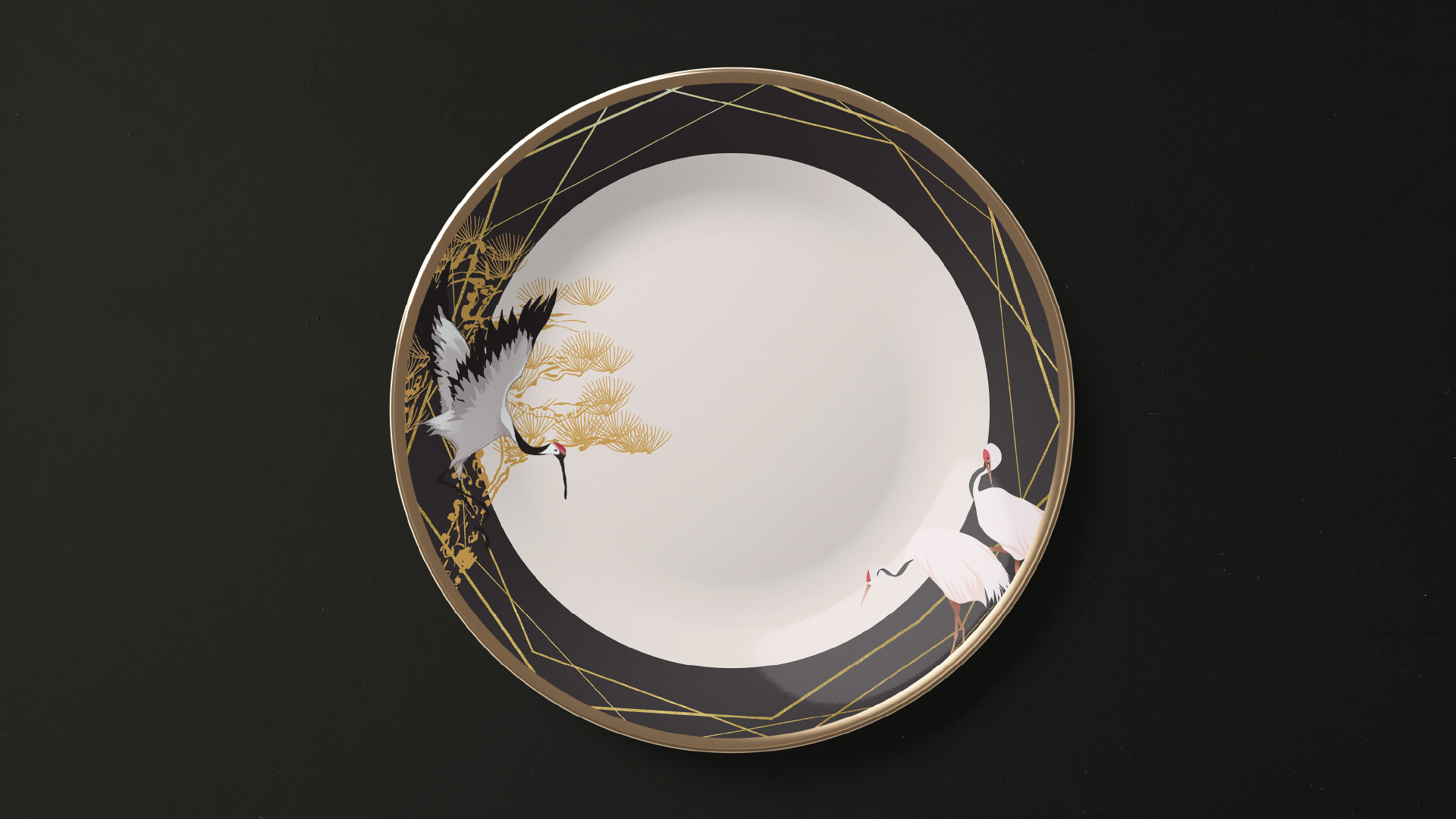
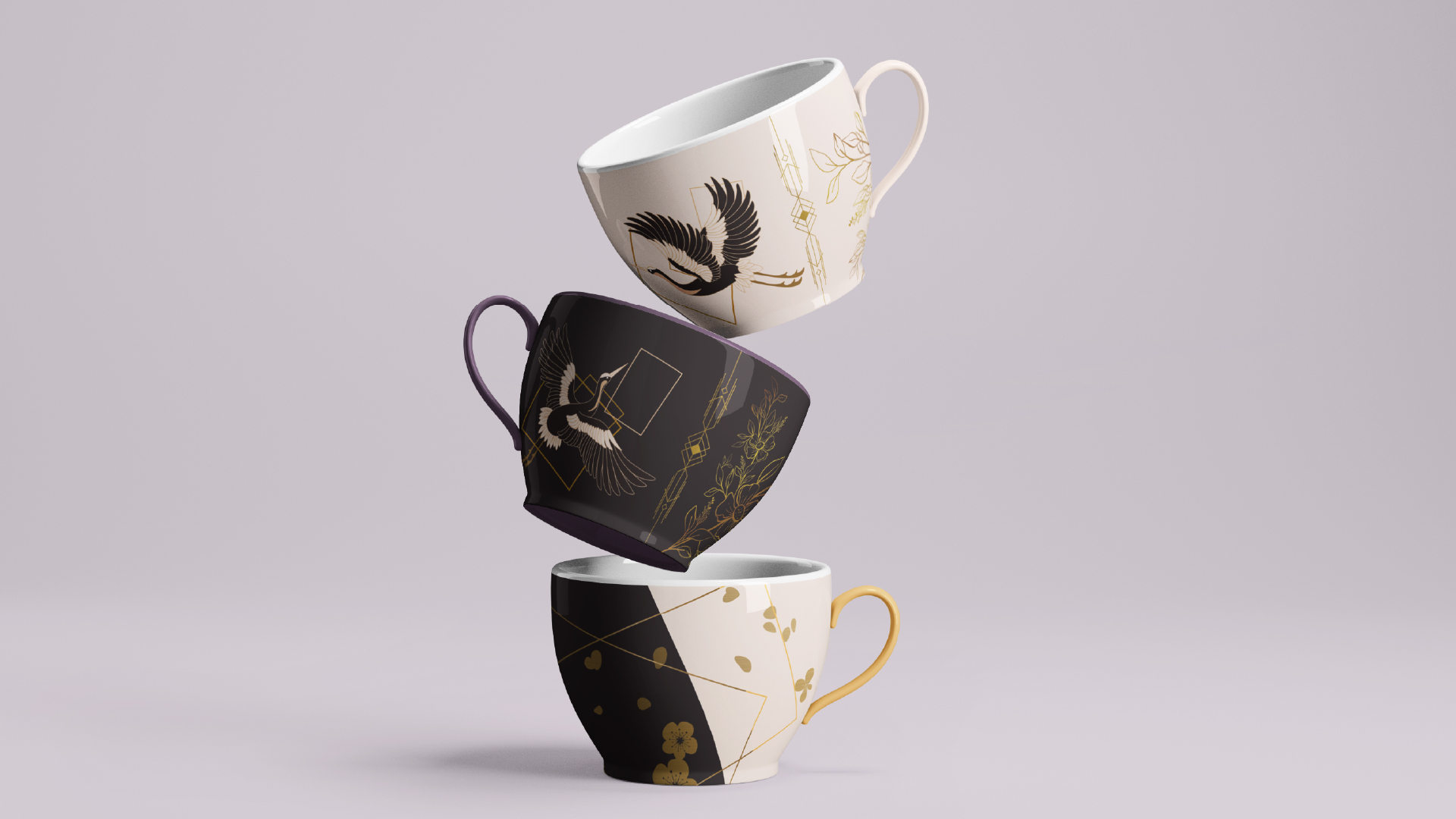
Our elegant dinnerware line features meticulously designed pieces that perfectly balance function and style. Each set includes:
- 1 Charger Plate
- 1 Dinner Plate
- 1 Dessert Plate
- 2 Tea Sets (Cup and Saucer)
- 1 Coffee Set (Cup and Saucer)
- 8 unique designs in Rapport, offering both light and dark color options to suit any decor.
Experience refined dining with every meal, whether it's a casual breakfast or a formal dinner party.